Kansas Medicaid Doula Coverage
Kansas Medicaid/KanCare covers doula care for eligible members. This page explains what that means for families, doulas, and healthcare providers.
Does Kansas Medicaid cover doula care?
Yes. Kansas Medicaid/KanCare covers doula care for eligible members. Doula care may include support during pregnancy, labor and birth, and postpartum. Families should ask their provider, clinic, MCO care coordinator, or doula about current steps for accessing covered services.
How to use Medicaid doula coverage
Confirm that you are enrolled in Kansas Medicaid/KanCare.
Ask your provider, clinic, or care coordinator about doula care.
Find a doula who serves your area.
Ask whether the doula accepts Medicaid/KanCare.
Ask about the required recommendation or referral.
Begin doula support.
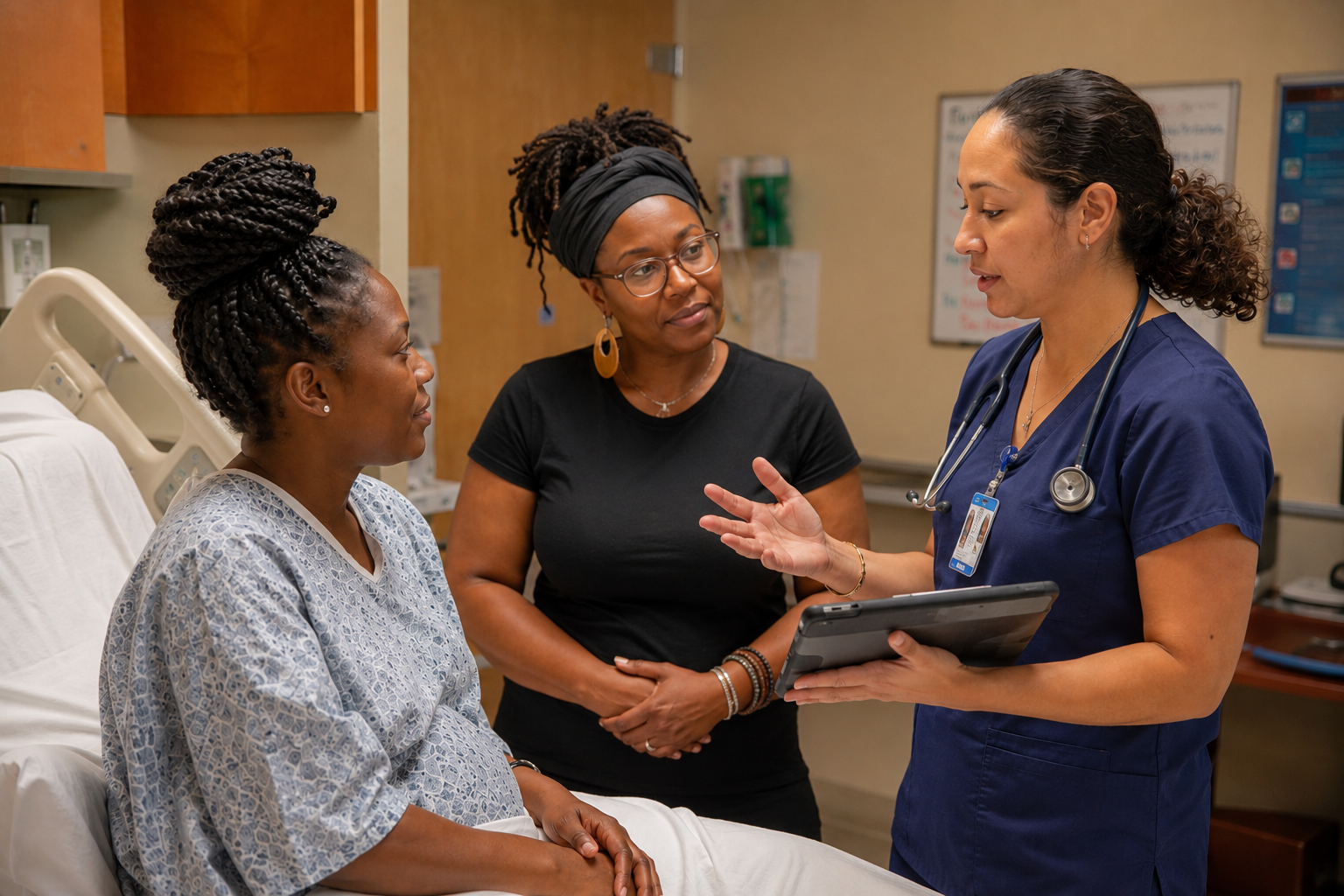
Provider recommendation or referral
Medicaid-covered doula care may require a provider recommendation or referral. Providers, clinics, hospitals, and care coordinators should follow current KDHE/KMAP guidance when helping patients access doula care.
Doulas who want to serve Medicaid members
Learn current KDHE/KMAP requirements.
Understand enrollment steps.
Keep required documentation.
Learn billing expectations.
Keep records of visits and services.
Update your directory profile with your Medicaid/KanCare status.
Frequently asked questions
Yes. Kansas Medicaid, also known as KanCare, covers doula services for eligible Medicaid members during pregnancy, labor and birth, and the postpartum period.
To be covered by Medicaid, doula services must meet Kansas Medicaid requirements. This includes receiving services from a doula who is enrolled as a Kansas Medicaid provider and having a recommendation for doula services from a qualified licensed healthcare provider.
If you are pregnant or postpartum and covered by Medicaid, you may be able to receive doula support at no cost to you.
Yes. Families should be able to choose a doula who is a good fit for their needs, values, location, language, culture, and support preferences.
If you want Medicaid to pay for your doula care, your doula must be enrolled as a Kansas Medicaid provider and must meet the requirements for covered services. If you already know who you want to work with, ask whether they are enrolled with Kansas Medicaid or in the process of becoming enrolled.
If you already have a doula, you can ask them whether they are enrolled as a Kansas Medicaid provider.
If they are enrolled, they may be able to provide covered services through Medicaid if all requirements are met. If they are not enrolled, they may still be able to support you privately, or they may decide to begin the Medicaid enrollment process.
You do not have to start over just because you already have a doula. The first step is to ask your doula about their Medicaid provider status.
Yes. Doulas can support families in hospital settings, birth centers, homes, clinics, and community settings, depending on the type of support being provided and the policies of the place where you are receiving care.
A doula can help you prepare for birth, support you during labor, offer comfort measures, help you understand your options, and support communication with your care team.
You should ask your hospital or birth location about its current support-person policies.
No. A doula does not replace your doctor, midwife, nurse, or medical care team.
Doctors, midwives, and nurses provide clinical care. Doulas provide non-medical emotional, physical, and informational support. A doula can help you ask questions, understand your choices, prepare for appointments, feel more confident during labor, and feel supported after birth.
Your doula is part of your support team, not a replacement for medical care.
Yes. Doulas may provide emotional, informational, and practical support during pregnancy, birth, pregnancy loss, stillbirth, and the postpartum period, depending on their training, experience, and scope of practice.
Doulas do not provide medical care or clinical treatment. Their role is to support the person and family with compassion, resources, preparation, comfort, and connection to appropriate care.
If you are experiencing a medical emergency, severe symptoms, or urgent concerns, contact your healthcare provider, go to the emergency room, or call 911.
.Doulas who want to bill Kansas Medicaid must enroll as Kansas Medicaid providers and meet the state’s requirements.
In general, doulas must complete the Kansas Medicaid enrollment process, have their own National Provider Identifier, meet the training or certification requirements, complete required documentation, and follow Kansas Medicaid billing and service rules.
Doulas may be able to enroll as independent providers or as part of a doula group. Doulas should review the Kansas Medical Assistance Program provider guidance and enrollment instructions to make sure they are following the most current requirements.